
Under-Pillow Speaker vs Headphones: Which Is Better for Bedtime Listening?

Share
Choose QuietSide or QuietSide Pro if you prefer bedtime audio without wearing headphones. Choose the Dreamery Deepsleep Bluetooth Sleep Mask if you want an eye mask with built-in speakers. Deepsleep has no active noise cancellation, and pillow speakers can be audible to a partner. Compare fit, pillow placement and playback options before choosing.
Your bedtime listening choice starts with a simple preference: would you rather leave your ears free, or wear a soft mask with the audio built in? Here is how pillow speakers, conventional headphones and Dreamery's Deepsleep mask compare for an evening at home or away.
At a glance: three ways to listen in bed
| Consideration | Pillow speaker | Conventional headphones | Deepsleep Bluetooth mask |
|---|---|---|---|
| What you wear | Nothing on your head or in your ears | Earbuds or earcups, depending on design | A contoured eye mask with slim internal speakers |
| Light coverage | No eye covering | No eye covering | Combines eye coverage and audio |
| Room sound | Some audio may be audible to a partner | Isolation and leakage depend on the specific design | No active noise cancellation; does not promise silence |
| Comfort check | Pillow thickness and speaker placement | Earcup or earbud pressure in your resting position | Strap tension, speaker position and pillow contact |
| Playback | QuietSide: Bluetooth and built-in sounds; Pro also offers TF/microSD | Check the model's connection and controls | Stream from a compatible Bluetooth device |
Choose a pillow speaker if you prefer to wear nothing
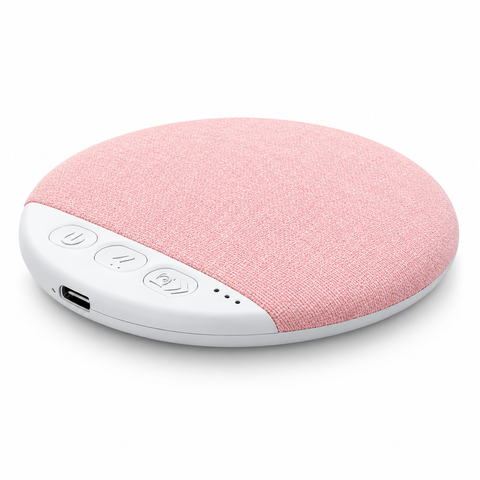
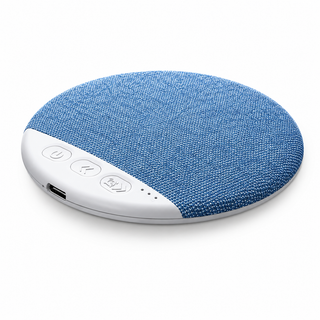
The Dreamery QuietSide Bluetooth Pillow Speaker sits beside or near your pillow for close listening. It offers Bluetooth streaming, built-in ambient sounds and 30, 60 and 90 minute timers. It can suit a familiar audiobook or quiet playlist when you do not want a strap or earbuds.
Dreamery QuietSide Pro is designed to sit beneath your pillow near where your ear rests. Its product page lists eight built-in sounds, Bluetooth streaming, TF/microSD card playback and the same three timer choices. The card option is useful if you want your own compatible audio without keeping a phone connected.
Check placement with your usual pillow. If the audio seems muffled, adjust the position before increasing the volume. Neither speaker promises that someone beside you will hear nothing. For more detail, read how an under-pillow speaker works.
Choose a Bluetooth sleep mask if you want eye coverage too
The Dreamery Deepsleep Bluetooth Sleep Mask with Headphones combines a contoured eye area, memory foam, an adjustable strap and slim stereo speakers. It connects to a compatible Bluetooth device for your own music, white noise, podcasts or audiobooks.
This is a different choice from earbuds: nothing goes inside the ear, but you still wear the mask and its speakers sit near your ears. Adjust the speaker position and try lying on your usual side before deciding whether the feel suits you. An adjustable strap does not mean every fit will be comfortable.
Deepsleep does not have active noise cancellation. Do not choose it on the assumption that it will block all surrounding noise or provide silent listening for a partner. The separate Smart Sleep Mask with Bluetooth Headphones has its own feature list; use its Journal guide when comparing that model. Do not assume the two masks share app, gel-insert or timer features.
When conventional headphones still make sense
If you already have headphones that feel comfortable while you rest, there may be no need to change them. Check the particular design: earbuds, over-ear headphones and fabric sleep headphones differ in fit, sound leakage and noise-control features. The word “headphones” alone does not establish how much room sound they reduce.
For side resting, notice whether an earcup, earbud or internal speaker presses against the pillow. Stop if the fit feels uncomfortable. Keep listening optional rather than trying to tolerate a shape that does not suit you.
A shared-bedroom check before you choose
- Try the setup while both people are awake, using your usual bedding.
- Start at a low volume with a familiar track and ask whether it is audible on the other side.
- Adjust position and fit before changing volume.
- Use a QuietSide timer, or check your audio app for an available timer when streaming to a mask.
- If the arrangement does not suit both of you, save the audio for an earlier wind-down or turn it off.
Follow each product's supplied power and charging instructions, and keep cables clear of your resting space. Check model-specific cleaning instructions before washing any part with electronics. Our support team can help with product questions.
Make your choice around your evening
Start with QuietSide for nearby audio, QuietSide Pro for under-pillow placement and additional offline playback, or Deepsleep if eye coverage and wearable audio appeal to you. Browse Dreamery sleep masks if the feel of the mask is your first priority.
For the broader buying checklist, see how to choose a Bluetooth pillow speaker. Once you have chosen your setup, the bedtime audio routine guide helps you keep the evening simple.
Comfort and suitability
These are lifestyle audio accessories. They do not treat sleep or hearing conditions or guarantee better sleep. Keep the volume comfortable, take listening breaks and stop if you notice discomfort. Speak with a qualified healthcare professional about ongoing sleep or hearing concerns.
Frequently asked questions
Is an under-pillow speaker better than headphones for side sleepers?
An under-pillow speaker leaves your ears free, but comfort depends on pillow thickness and placement. A sleep mask with slim speakers may suit you if you like wearing a mask. Try the fit in your usual resting position; neither design guarantees comfort.
Will my partner hear a QuietSide pillow speaker?
They may. QuietSide and QuietSide Pro keep sound close to the pillow, but sound can still reach someone beside you. Volume, placement, bedding and room quietness all matter. Check together at a low volume before settling in.
Does the Dreamery Deepsleep Bluetooth Sleep Mask cancel noise?
No. Dreamery Deepsleep has built-in stereo speakers and a light-blocking eye mask, but no active noise cancellation. Personal audio does not guarantee that surrounding sounds will be blocked or that a partner will hear nothing.
What is the difference between QuietSide and QuietSide Pro?
QuietSide offers Bluetooth streaming, built-in ambient sounds and 30, 60 and 90 minute timers. QuietSide Pro lists those timer choices plus eight built-in sounds and compatible TF/microSD card playback. Choose based on the playback controls you want.
Can I use QuietSide Pro without connecting my phone?
Yes. QuietSide Pro can play its built-in sounds or compatible audio from a TF/microSD card without an active Bluetooth connection. Check the supplied instructions for supported cards and files before preparing your audio.
Can I stream an audiobook through the Deepsleep mask?
Yes. Pair the Dreamery Deepsleep Bluetooth Sleep Mask with a compatible Bluetooth phone or tablet and play an audiobook from your chosen app. Check that app for a sleep timer; the product description does not establish the same timer controls as QuietSide.
How do I choose a comfortable bedtime listening setup?
Start at a low volume while awake. For QuietSide Pro, adjust the position beneath your pillow before turning the sound up. For Deepsleep, adjust the strap and speaker position without tightening the mask to force a fit. Stop if either setup feels uncomfortable.
Can a pillow speaker or sleep mask treat a sleep condition?
No. Dreamery pillow speakers and Bluetooth sleep masks are lifestyle audio accessories, not treatments for insomnia, tinnitus, sleep apnoea or other health conditions. Speak with a qualified healthcare professional about ongoing sleep or hearing concerns.