



Why Your Bedroom Isn't as Dark as You Think

Share
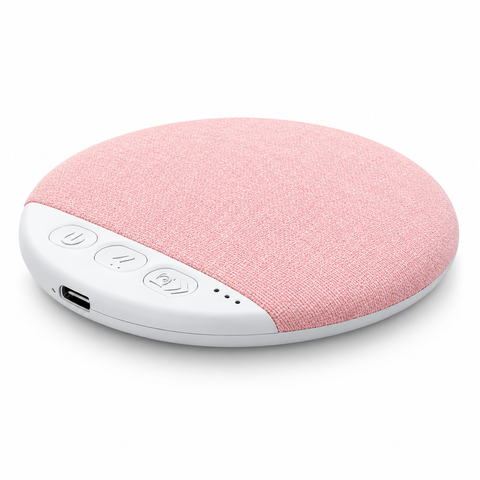
Most bedrooms are not truly dark: charger LEDs, hallway glow and early sunrise can still make it harder to settle. A well-fitting eye mask gives you personal blackout; if the room also feels too bright or noisy, the Amber Wind-Down Bulb or Portable White Noise Machine can make the setup feel calmer.
Quick answer
Your bedroom can feel dark and still have enough light to make settling harder: phone LEDs, hallway glow, streetlight leak, charger lights and early sunrise. The quickest first fix is to remove the little light sources you can control and use a well-fitting eye mask for true blackout.
Helpful next steps: See the weighted sleep mask guide ? Build a 5-minute wind-down ? Use Find Your Fit
You close the blinds. You turn off the overhead light. You think your bedroom is dark enough for a solid night's sleep. But here's the thing — your room is almost certainly not as dark as you believe, and that faint glow from the street lamp, your phone charger, or the TV standby light is quietly sabotaging your sleep in ways that are backed by science.
Light and Your Body Clock: A Delicate Relationship
Your body produces melatonin — the hormone that signals it's time for sleep — in response to darkness. The catch? Your eyes are remarkably sensitive to light, even at low intensities. Research published in the Journal of Clinical Endocrinology & Metabolism found that ordinary room light before bed suppresses melatonin production by 71.4% compared to dim light conditions (Gooley et al., 2011). That's not a small margin — that's nearly three-quarters of your body's natural sleep signal being blunted by everyday household light.
And it doesn't stop there. The same research found that exposure to room light shortened the duration of melatonin production by 90 minutes. So even if you fall asleep at a reasonable hour, your body may not be getting the full melatonin window it needs for deep, restorative sleep.
Even When Your Eyes Are Closed, Light Gets Through
Here's the part that surprises most people: your eyelids aren't light-proof. Thin, translucent skin allows a surprising amount of light to filter through, particularly in the blue-light wavelengths that are most disruptive to melatonin. This is why sleeping in what feels like a "dark enough" room still isn't the same as true darkness.
A study published in Critical Care looked at ICU patients — hardly the ideal sleep environment — but its findings on eye masks are telling. Participants who wore eye masks experienced a meaningful increase in REM sleep, rising from 9.3% to 12.9% of total sleep time (Hu et al., 2010). REM sleep is where your brain consolidates memories, processes emotions, and carries out critical repair work. A 38% relative increase in REM is not a trivial gain.
The Perimenopause Connection
For women in their 40s and 50s navigating perimenopause, sleep disruption is already a common challenge. Oestrogen fluctuations affect sleep architecture directly, making it harder to reach and maintain more settled sleep stages. Adding light-induced melatonin suppression on top of hormonal changes creates a compounding problem — your body is fighting on two fronts to get the rest it needs.
Eliminating light exposure as a variable isn't a fix-all, but it's one of the few evidence-supported changes that's free, immediate, and entirely within your control.
Practical Steps to a Truly Dark Room
Start with a light audit at night. Stand in your room with your eyes adjusted and look for:
- Standby indicator lights on electronics
- Light seeping under or around curtains
- Glow from phone chargers or power strips
- Street light or neighbours' security lighting
Blackout curtains or blinds help with the windows. Tape or small covers can address LEDs. But for total, reliable darkness — particularly if you share a room, travel, or your partner keeps a different schedule — a well-fitting sleep mask is the most practical solution.
Not All Eye Masks Are Equal
The shape and fit of a sleep mask matters more than most people expect. A flat mask may press against your eyelids and feel uncomfortable, especially if you have any sensitivity around the eye area. Masks with contoured pods create a gentle cup that keeps fabric away from lashes and allows your eyes to move freely during REM — which research suggests may support deeper, less interrupted sleep.
The fabric also matters. Silk against skin reduces friction and stays cool throughout the night, avoiding the warm, sweaty feeling that causes people to pull their mask off by 3am.
If you've been dismissing sleep masks as gimmicks, the science suggests it may be worth reconsidering. The evidence on light's impact on melatonin is robust, and the fix is genuinely simple.
The Dreamery Silk Weighted Eye Mask and Plush Weighted Eye Mask are the most direct way to create personal blackout when the room never gets fully dark. If you want a gentler pre-sleep setting, the Amber Wind-Down Bulb softens the last hour before bed, the Portable White Noise Machine smooths out sudden sounds, and the Dreamery Travel Case keeps the kit together when you are away. For general order and support questions, see FAQ.
What to change first if the room still feels bright
If the room still feels too bright after you close the blinds, focus on the part you can control fastest. Personal blackout at the eyes usually beats trying to make every corner of the room perfect.
| Problem | Better first fix | Dreamery option |
|---|---|---|
| Streetlight leak or early sunrise | Use personal blackout at the eyes | Silk Weighted Eye Mask or Plush Weighted Eye Mask |
| Overhead light that still feels too alerting | Swap the last hour to a warmer bulb | Amber Wind-Down Bulb |
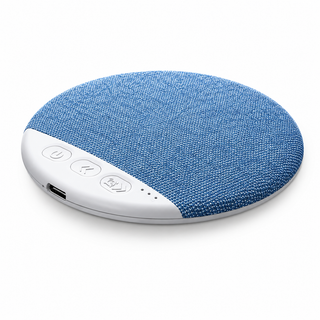
| Road noise, partner noise or house sounds | Add a steady background sound | Portable White Noise Machine |
| Travel, sleepovers or weekend bags | Keep the kit clean and easy to grab | Dreamery Travel Case |
If you want to compare masks themselves, start with Silk vs Plush Sleep Mask: Which Is Better for Women Over 40?. Silk is the cooler, smoother option for warmer sleepers; Plush gives a softer, cushioned blackout feel for people who like a little more cosy weight. If fit is the question, Find Your Fit makes the choice easier.
If light and sound both need attention, the calm sleep routine guide shows how the pieces work together.
Frequently asked questions
Why does my bedroom still feel bright at night?
Small light sources such as chargers, LEDs, streetlights and early sunrise can be enough to make the room feel less restful, even when the overhead light is off.
What should I fix first if I only change one thing?
Start with a well-fitting eye mask. It is the quickest way to create personal blackout when curtains and blinds leave small gaps.
Should I choose Silk or Plush?
Choose Silk if you sleep warm and want a cooler, smoother feel. Choose Plush if you prefer a softer, more cushioned blackout mask.
When does the Amber Wind-Down Bulb help?
Use it when the room still feels too bright in the last hour before bed. It is a simple swap for the bright white bulb you already have.
Can white noise help if the room is also bright?
Yes, if sound is part of the problem. White noise does not replace darkness, but it can make sudden noises feel less alerting.
Do I need blackout curtains as well as a mask?
Not always. Curtains reduce room light, while a mask creates darkness around your eyes. Many people use both for the most comfortable setup.
How can I keep my sleep kit ready for travel?
Use the Dreamery Travel Case so your mask and strips stay flat, clean and easy to find in a bag or suitcase.
When should I get professional advice?
If you are waking often, feel unwell, or have breathing concerns, speak with a healthcare professional. Sleep tools are for comfort, not diagnosis or treatment.